Mastering Visual Identity: A Guide to School Education and Admission Facebook Cover Templates
In the digital age, a school’s first impression is rarely made at the front gate or during an open house. Instead, it happens in the scroll of a social media feed. For educational institutions, maintaining a professional and inviting online presence is no longer optional; it is a critical component of modern community engagement and student recruitment. This is where specialized design assets, such as a School Education Facebook Cover Template or a School Admission Facebook Timeline Cover Template, become invaluable tools for administrators, marketing teams, and designers alike.
Understanding how to leverage these templates can transform a static profile into a dynamic communication hub. Whether you are promoting upcoming admissions, showcasing campus life, or simply reinforcing your brand identity, the right visual framework ensures your message is received with clarity and professionalism.
The Strategic Importance of Social Media Banners in Education
Before diving into the technical specifics of template customization, it is essential to understand why these digital banners matter. A Facebook cover photo is prime real estate. It is the largest visual element on your page and serves as a billboard for your institution’s values and current priorities.
For schools, this space serves multiple functions:
- Brand Recognition: Consistent use of colors, logos, and typography helps parents and students instantly recognize your institution amidst a cluttered feed.
- Information Dissemination: During critical periods, such as enrollment seasons, the cover image can highlight key dates, deadlines, or contact information.
- Community Building: Showcasing images of happy students, successful alumni, or vibrant campus events fosters a sense of belonging and trust.
Using a pre-designed template does not mean sacrificing uniqueness. On the contrary, it provides a structured foundation that ensures design best practices—such as proper alignment, readable typography, and balanced composition—are met without requiring advanced graphic design skills.
Deconstructing the Template Features
When selecting a high-quality template, such as the one described in our reference material, several technical features contribute to its effectiveness and ease of use. Let us explore what makes a template truly "professional" and "easy to edit."
First, consider the file format. A premium template is typically provided as an Illustrator EPS File. EPS (Encapsulated PostScript) is a vector-based format, which means the design elements can be scaled to any size without losing quality. This is crucial for maintaining sharp text and crisp logos, regardless of the device used to view the page.
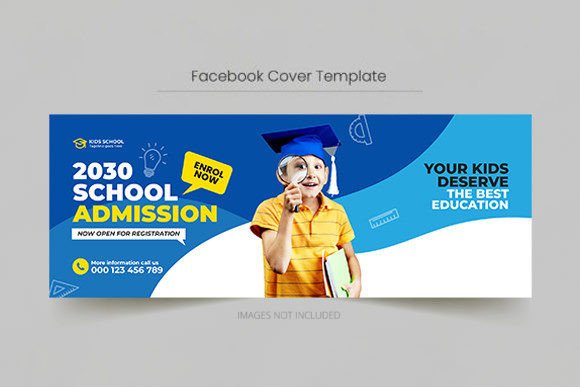
Second, pay attention to the specifications. The standard dimensions mentioned, 820×312 Pixels, are optimized for desktop views, but modern templates are often designed with responsive behavior in mind. The resolution of 300 DPI (Dots Per Inch) ensures that if you ever need to print the design for physical banners or flyers, the output will remain high-quality. The RGB Color mode is specifically chosen for screen display, ensuring colors appear vibrant and accurate on monitors and mobile devices.
Customization: Bridging the Gap Between Novice and Pro
One of the most common misconceptions about professional design templates is that they require extensive expertise to modify. However, the true value of a well-organized template lies in its accessibility. As noted in the product description, "all you need to know [are] the very basics of illustrator to change the text, color, images, and everything."
Here is how beginners can approach customization effectively:
- Layer Organization: A "well-organized" template means that every element—background, text boxes, image placeholders, and logos—is separated into distinct layers. This allows you to hide, lock, or edit specific parts without accidentally disrupting the entire design.
- Text Editing: Replace placeholder text with your school’s name, tagline, or admission details. Ensure you maintain the hierarchy; headings should remain larger than subtext to guide the viewer’s eye.
- Color Adaptation: Use the eyedropper tool to match the template’s accent colors to your school’s official brand palette. This simple step ensures consistency across all your marketing materials.
- Image Integration: While the template itself does not include stock images (as stated, "Image is not included"), it provides designated frames or masks. Simply drag and drop your high-resolution photos of campus life into these slots. The mask will automatically crop the image to fit the design aesthetic.
It is also worth noting that the fonts used in these templates are typically free for commercial use. This removes the legal hassle of purchasing licenses and ensures that your design remains compliant with copyright laws.
Practical Applications for School Administrators
How can schools practically apply these templates in their daily operations? The versatility of a clean, eye-catchy design allows for various use cases throughout the academic year.
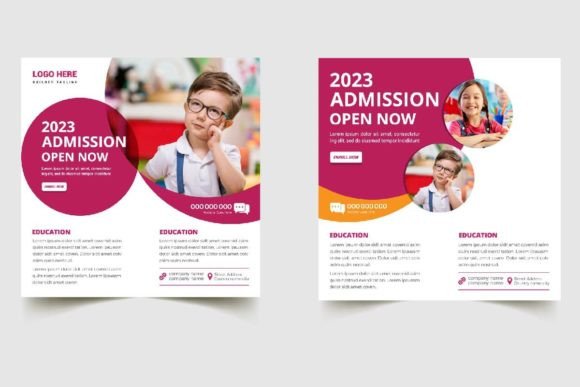
Admission Campaigns: During the enrollment period, switch your cover to the "School Admission Facebook Timeline Cover Template." Use bold text to highlight "Applications Open" or "Early Bird Discounts." Include a clear call-to-action, such as a website URL or phone number, directing interested parents to the next step.
Event Promotion: For sports days, annual functions, or parent-teacher meetings, update the cover image to reflect the event’s theme. The editable nature of the template allows for quick turnaround times, ensuring your social media stays relevant and timely.
Staff and Faculty Highlights: Use the template to introduce new staff members or celebrate teacher achievements. A professional layout lends credibility and respect to the individuals being featured.
Avoiding Common Design Pitfalls
Even with a high-quality template, errors can occur. To ensure your final output is polished, keep the following tips in mind:
- Safe Zones: Remember that on mobile devices, the sides of the cover photo may be cropped. Keep critical information, such as text and logos, centered within the "safe zone" to ensure visibility across all devices.
- Contrast and Readability: Avoid placing light text over light backgrounds. If your background image is busy, consider adding a semi-transparent overlay to improve text legibility.
- File Size Optimization: While the source file is high-resolution, ensure you export the final image in a web-friendly format (like JPEG or PNG) with an appropriate file size to ensure fast loading times on social media platforms.
Conclusion: Elevating Your School’s Digital Presence
In conclusion, a School Education Facebook Cover Template is more than just a graphical asset; it is a strategic tool for communication and branding. By utilizing a fully editable, well-organized Illustrator EPS file, schools can maintain a professional appearance without the need for expensive design agencies or steep learning curves.
The ability to quickly adapt visuals for admissions, events, and general announcements allows educational institutions to stay agile and responsive to their community’s needs. Whether you are a seasoned designer looking to streamline your workflow or a school administrator taking charge of social media for the first time, these templates offer the perfect balance of flexibility and structure.
By understanding the technical features, respecting the design principles, and applying them with your institution’s unique voice, you can create a compelling visual narrative that resonates with parents, students, and the broader community. Start exploring these templates today, and take the first step toward a more engaging and professional online presence.