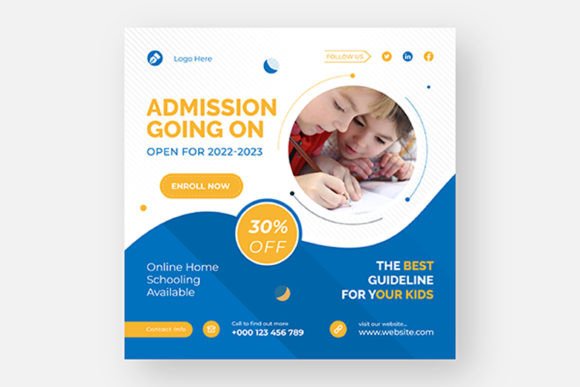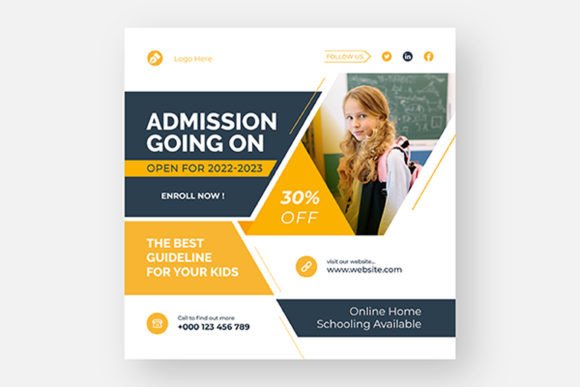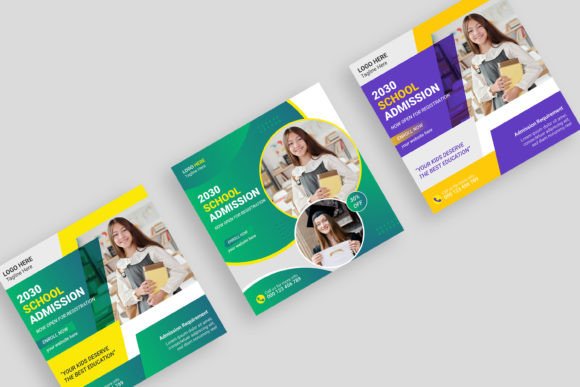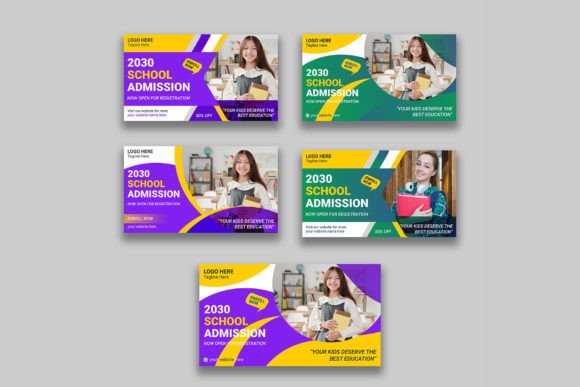
Why the Education Social Media Post Template Is a Game-Changer for Schools and Creators
We have all been there. It is Tuesday afternoon, you have three deadlines looming, and your school’s Instagram feed looks like it hasn’t been updated since last semester. You know that consistent communication is vital for engaging parents, attracting new students, and building community trust, but designing professional graphics from scratch takes time you simply do not have. This is where a reliable Education Social Media Post Template stops being a luxury and starts becoming a necessity.
This resource is not just about making things look pretty. It is about efficiency, brand consistency, and clear communication. Whether you are a marketing director at a private academy, a freelance graphic designer working with educational clients, or a teacher trying to share classroom updates, having a clean, eye-catchy, and professional foundation can save hours of work every week. Let us dive into how this tool fits into real-world workflows and why it might be the missing piece in your digital strategy.
Bridging the Gap Between Quality and Speed
In the education sector, visuals matter more than many administrators realize. Parents scrolling through Facebook or LinkedIn are making split-second judgments about a school’s professionalism based on what they see. A pixelated image or a cluttered layout signals disorganization. Conversely, a crisp, well-designed post suggests attention to detail and care.
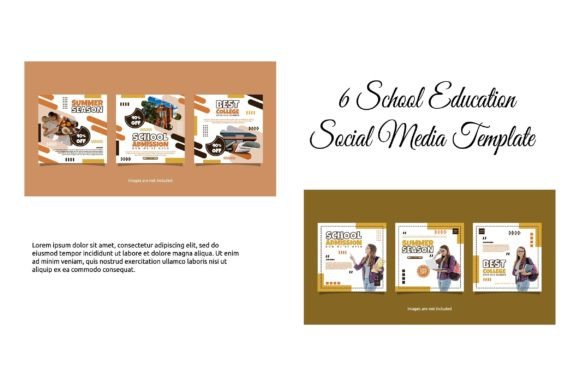
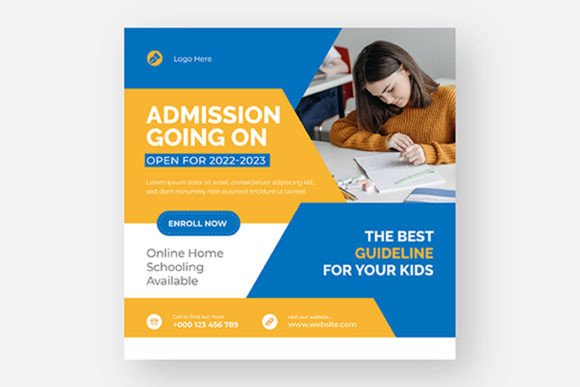
The primary value of this template lies in its balance. It is designed to be clean and eye-catchy without being overwhelming. For busy educators and marketers, this means you do not need a degree in graphic design to produce high-quality content. The layout does the heavy lifting for you. You simply drop in your text, swap out the photo, and adjust the colors to match your institution’s branding. Because it is fully customizable and editable, you retain creative control without starting from a blank canvas.
Real-World Use Cases for Different Users
Who actually benefits from this kind of resource? The answer is broader than you might think. Here is how different professionals can leverage this template in their daily routines.
For School Administrators and Marketing Teams
If you manage social media for a K-12 school or a university, consistency is your biggest challenge. You need to announce enrollment dates, celebrate student achievements, share event photos, and promote open houses. Using a standardized Education Social Media Post Template ensures that every post, regardless of who creates it, looks like it belongs to the same family. This builds brand recognition. When parents see that specific color palette and layout style, they immediately know it is an official update from your institution.
For Freelance Designers and Agencies
Designers often face tight turnaround times when working with multiple educational clients. Instead of building a unique social media kit from scratch for every small tutoring center or preschool you onboard, you can use this template as a robust starting point. Since the files include AI and EPS formats, you have full vector control. You can tweak typography, adjust spacing, and modify elements to suit each client’s unique identity while maintaining a professional structure. This allows you to deliver high-value work faster, improving your profit margins and client satisfaction.
For Teachers and Educational Bloggers
Many educators are now building personal brands online, sharing teaching tips, classroom resources, or educational insights. However, most teachers are not designers. They need something that looks polished but requires minimal technical skill. This template, with its RGB color profile and 72 DPI resolution, is optimized specifically for screens. It ensures that quotes, lesson highlights, or announcement graphics look sharp on mobile devices, where most of their audience engages with content.
Understanding the Technical Specifications
It is important to understand what you are getting when you download a resource like this. The package includes several key file types, each serving a specific purpose in your workflow.
- AI File: This is the native Adobe Illustrator file. It is ideal if you want to make deep structural changes to the design, such as moving vector shapes or editing complex paths. It offers the highest level of flexibility for professional designers.
- EPS File: Encapsulated PostScript is a universal vector format. If you do not use Adobe Illustrator, many other design programs can open EPS files. This ensures compatibility across different software ecosystems, making it accessible to a wider range of users.
- Information File: This document typically contains details about fonts used, color codes, and usage rights. It is crucial for maintaining consistency. If you love the font in the template, the info file tells you exactly which one it is so you can install it or find a similar free alternative.
- Read Me File: Often overlooked, this file contains installation instructions and troubleshooting tips. It helps you avoid common pitfalls, such as missing links or font errors, ensuring a smooth setup process.
The design is created in 72 DPI resolution and uses RGB color. This is not a mistake; it is intentional. Screens display images in RGB (Red, Green, Blue), and 72 DPI is the standard resolution for web and social media platforms. Printing requires CMYK and higher DPI, but for Instagram, Facebook, LinkedIn, and Twitter, RGB at 72 DPI ensures fast loading times and accurate color representation on digital devices.
What to Consider Before You Start
While templates are powerful, they are not magic wands. To get the most out of this Education Social Media Post Template, keep a few practical considerations in mind.
First, think about your brand voice. The template provides the structure, but your content provides the soul. Ensure that the tone of your text matches the clean, professional aesthetic of the design. Avoid cluttering the layout with too much copy. Let the whitespace breathe. Social media users scan content quickly; if your post looks dense, they will scroll past it.
Second, consider your photography. A great template cannot save a blurry or poorly lit photo. Since the design is clean and minimal, your images will take center stage. Invest time in capturing high-quality, authentic moments from your school or classroom. Natural light and genuine smiles always perform better than staged, sterile stock photos.
Finally, remember that customization is key. Do not just use the default colors if they do not match your school’s branding. Take the time to update the hex codes to align with your logo. This small step transforms a generic template into a bespoke asset that reinforces your institutional identity.
Making the Switch to Streamlined Content Creation
Adopting a template-based workflow is about working smarter, not harder. It frees up mental energy that you can redirect toward strategy, engagement, and actual teaching. Instead of worrying about alignment and font pairing, you can focus on crafting messages that resonate with your community.
Whether you are launching a new campaign, announcing a holiday break, or highlighting a student’s achievement, having a reliable Education Social Media Post Template in your toolkit ensures you are always ready to communicate effectively. It is a small investment in time and resources that yields significant returns in professionalism, consistency, and peace of mind. In a digital world that moves fast, being prepared is half the battle.