Students Spending Time in Campus Near Co: Capturing the Essence of Collegiate Life
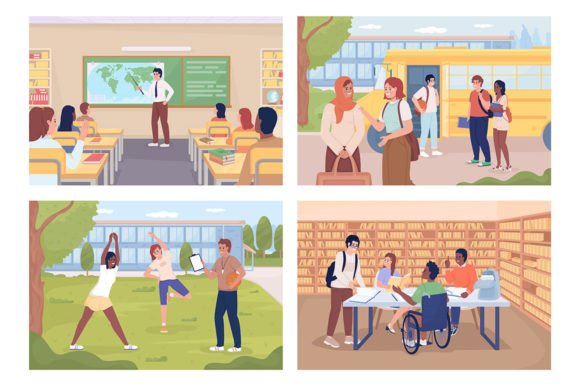
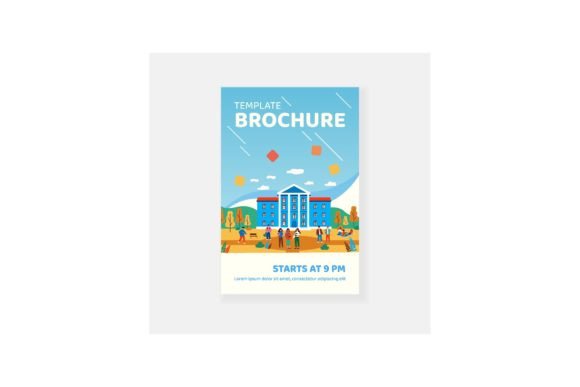
There is a distinct energy that permeates university grounds, particularly in the spaces surrounding academic hubs. When we talk about Students Spending Time in Campus Near Co, we are referring to more than just a visual trope; we are describing a universal experience of transition, connection, and intellectual ferment. This concept, often depicted through vector illustrations of young people standing together, talking, or sitting on benches and blankets on the grass, serves as a powerful visual shorthand for education, community, and the formative years of young adulthood.
For creators, educators, marketers, and business owners, understanding this imagery is crucial. It is not merely decorative. It represents a demographic that is highly engaged, socially connected, and constantly seeking value. Whether you are designing a website for a local coffee shop, creating marketing materials for an educational app, or developing content for a student housing complex, leveraging the authentic vibe of students interacting near campus buildings can significantly enhance your message.
The Visual Language of Campus Life
The specific imagery of students gathering near college buildings is rich with semantic meaning. A vector illustration showing a group of diverse young adults engaged in conversation does more than fill space. It signals accessibility, peer learning, and social belonging. When these figures are placed on a bench or a blanket on the grass, the tone shifts from formal academic rigor to relaxed, organic collaboration.
This distinction matters. In professional contexts, such as corporate training or higher education administration, the "bench" scenario might represent informal mentorship or study groups. In lifestyle marketing, the "blanket on grass" scene evokes leisure, mental health breaks, and the balance between work and play. By using Students Spending Time in Campus Near Co as a thematic anchor, you tap into these subconscious associations. You are not just showing people; you are showing a state of being that your audience recognizes and aspires to.
Practical Applications for Creators and Marketers
Understanding where and why this imagery resonates allows for more strategic application across various industries. Here is how different professionals can utilize this concept effectively:
- Educational Technology Developers: If you are building a study aid app, using visuals of students collaborating outdoors suggests that your tool facilitates seamless, flexible learning. It moves the product away from the sterile computer lab and into the real world where students actually live.
- Local Business Owners: Cafes, bookstores, and co-working spaces near universities benefit from highlighting the "third place" aspect of their venues. Marketing materials that feature students talking and relaxing near campus buildings signal that your establishment is a welcoming hub for community interaction, not just a transaction point.
- Content Creators and Bloggers: For those writing about student life, mental health, or career planning, incorporating this visual theme helps ground abstract advice in reality. It reminds readers that education is a social experience. An article about avoiding burnout paired with an image of students resting on the grass reinforces the message of taking necessary breaks.
- Real Estate and Housing Agencies: Student housing listings often focus on amenities, but the emotional sell is community. Images or illustrations of students interacting near campus structures help prospective tenants visualize themselves as part of a vibrant neighborhood, rather than just renting a room.
Why Context Matters in Visual Storytelling
When selecting or creating assets related to Students Spending Time in Campus Near Co, context is everything. A vector illustration is versatile, but its impact depends on how it aligns with your narrative. Consider the setting. Are the students near a modern glass-fronted library or a historic brick hall? The architectural backdrop changes the perceived prestige and tradition of the institution.
Furthermore, pay attention to the activities depicted. Students standing and talking suggest active networking, debate, or quick information exchange. This is ideal for promoting events, clubs, or collaborative tools. Conversely, students sitting on benches or blankets imply reflection, deep study, or relaxation. This is better suited for content regarding wellness, individual achievement, or long-term academic planning.
For entrepreneurs and small business owners, this nuance can differentiate your brand. If you are selling productivity planners, show the focused, seated student. If you are promoting a social event platform, show the standing, animated group. Aligning the visual action with the user’s intent creates a cohesive and persuasive user experience.
Considerations Before Implementation
Before downloading, buying, or commissioning artwork featuring students on campus, there are several practical factors to consider to ensure the resource serves your goals effectively.
- Authenticity and Diversity: Modern audiences are keenly aware of representation. Ensure that the illustrations or photos you use reflect the diverse reality of contemporary student bodies. Homogeneous imagery can feel outdated and alienating. Look for resources that depict varied ethnicities, abilities, and styles.
- Licensing and Usage Rights: Always verify the license terms. Vector illustrations often come with different restrictions for personal versus commercial use. If you are a marketer or business owner, ensure you have the right to modify and distribute the asset across digital and print media without additional fees.
- Style Consistency: If you are integrating these visuals into an existing brand identity, check that the artistic style matches. A hand-drawn, sketchy vector may clash with a sleek, minimalist tech brand. Consistency builds trust and professional credibility.
- Cultural Relevance: Campus culture varies globally. What looks like a typical campus scene in one country may differ in another. If your audience is international, choose imagery that is broadly recognizable or specifically tailored to the region you are targeting.
Connecting Features to Real Outcomes
The ultimate goal of using Students Spending Time in Campus Near Co themes is to drive engagement and convey value. When a viewer sees young people connecting in a familiar academic setting, they feel a sense of recognition. This emotional connection lowers barriers to entry for your product or message.
For educators, this means students feel seen and understood, increasing their willingness to engage with course materials. For marketers, it means higher click-through rates because the ad feels relevant to the user’s daily life. For hobbyists and bloggers, it adds depth and relatability to their stories, making their content more shareable.
In a digital landscape saturated with generic stock photography, thoughtful use of specific, context-rich illustrations stands out. It shows that you understand the nuances of your audience’s environment. You are not just selling a product; you are acknowledging their lifestyle, their struggles, and their joys.
Final Thoughts on Utilizing Campus Imagery
The image of students spending time near campus buildings is a timeless motif because it captures a pivotal chapter in human development. It is a period of exploration, friendship, and growth. By integrating this theme into your creative projects, you tap into a wellspring of positive association.
Whether you are designing a landing page, writing a blog post, or creating a social media campaign, remember that the details matter. The posture of the students, the setting of the bench, the presence of books or laptops—each element contributes to the story you are telling. Use these visuals not as filler, but as intentional communication tools that bridge the gap between your offering and the lived experiences of your audience.
By focusing on real-world applications and maintaining a genuine, relatable tone, you can transform simple vector illustrations into powerful assets that resonate with adults aged 20–50 who value authenticity and practical utility. Embrace the vibrancy of campus life in your work, and let it inspire connections that go beyond the screen.